Integrated Autonomous Floor Care
OnyxFM puts cleaning robots into commercial buildings and coordinates the rest. In partnership with Lowbotics, we deliver, set up, map, train your staff, and handle maintenance and repairs.
Your team starts on day one and never has to think about the machines again.
Most robot programs don't fail on the floor. They fail in the closet.
Multi-site operators buy autonomous equipment, get a pallet and a manual, and inherit a maintenance burden nobody budgeted for. Six months later the machine is parked behind a mop sink and the mop is back in service.
Anyone can sell you the same hardware. What is hard to stand up, and what we have already coordinated, is the field service layer around it: a technician network, hot-swap depot logistics, a help desk, a quarterly PM cadence, and training SOPs your staff actually follow.
We are a facilities partner, not a hardware vendor. The deliverable is clean floors and a fleet that stays running.
One accountable partner from delivery through the life of the fleet.
Installed, not shipped
Units are delivered, powered up, mapped, connected to your network, and validated before anyone leaves the building.
Support your staff will use
Jointly developed SOPs, on-machine QR and helpline instructions, and check-ins the day after install and at day 30.
Uptime by design
Quarterly preventive maintenance, break/fix on call, and major repairs handled off-site with a hot-swap unit in place.
Fleet oversight
Remote monitoring with dispatch before a machine fails, plus management dashboards and ticket reporting per site.
Reallocation, not elimination.
Autonomous floor care replaces manual mop-and-bucket work, the least valuable hours in the shift. In one enterprise deployment model, daily associate engagement with floor care drops from 1.67 hours to 0.25 hours, with reductions in water and chemical use alongside. Those hours move to higher-touch, customer-facing work.
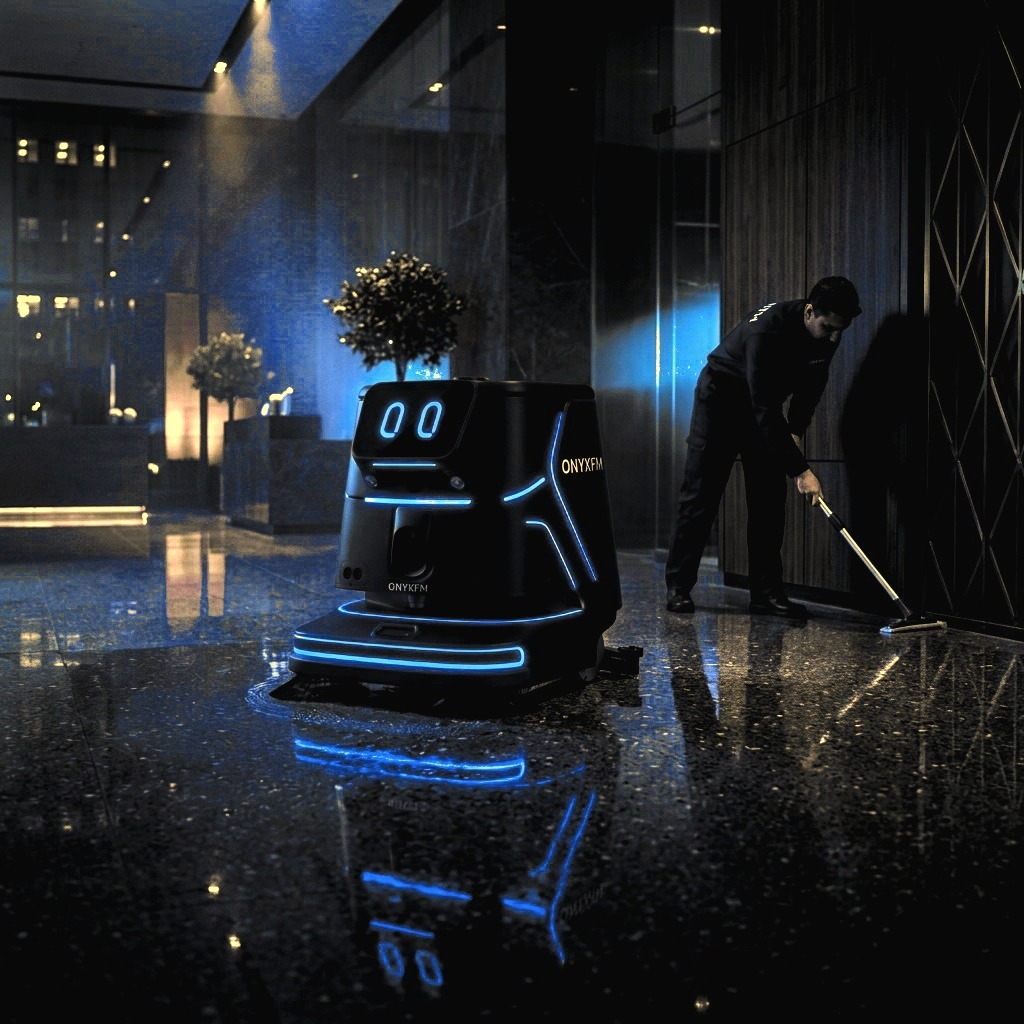
Three machines. One managed program.
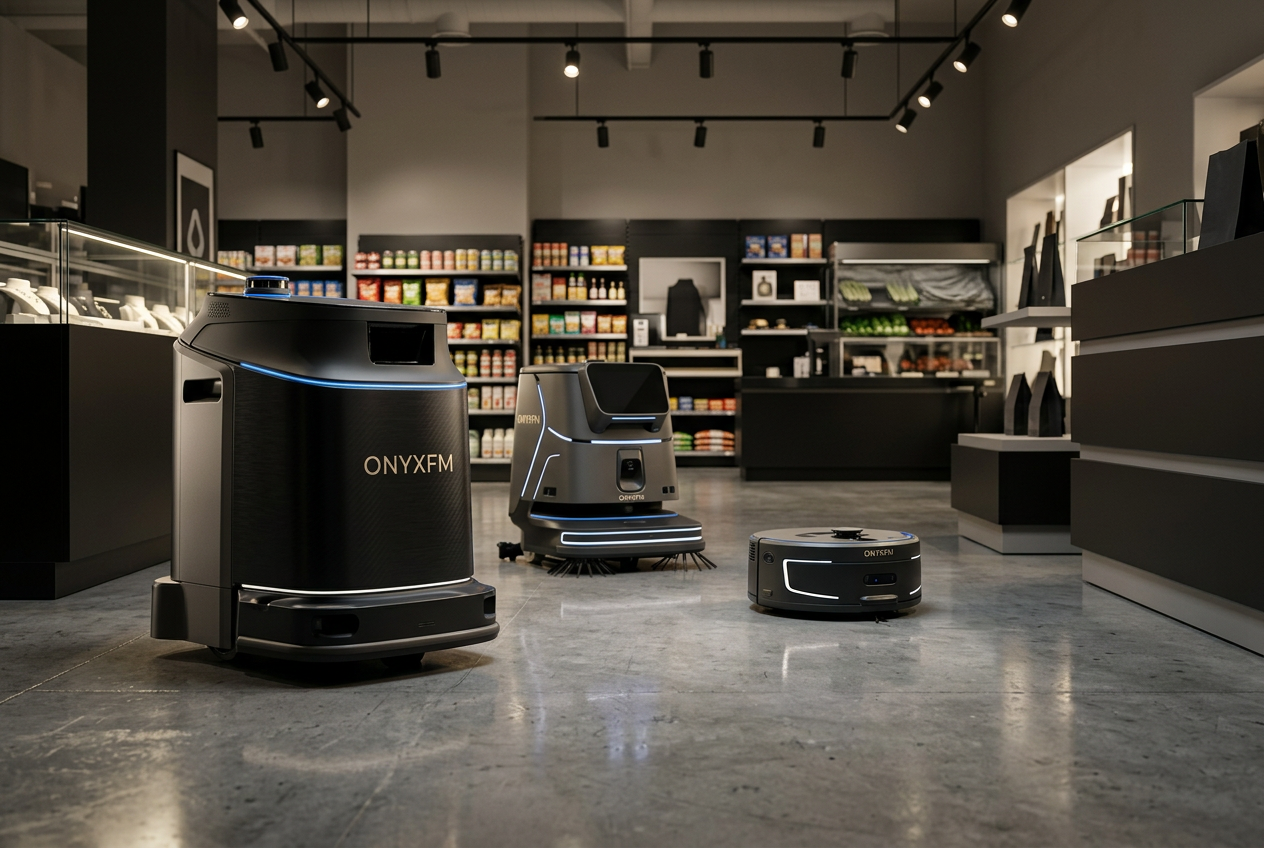
We deploy the autonomous cleaning lineup from our robotics partner Lowbotics, rebranded and configured for your sites. Same deployment sequence, same training SOPs, and the same service commitment on every unit.
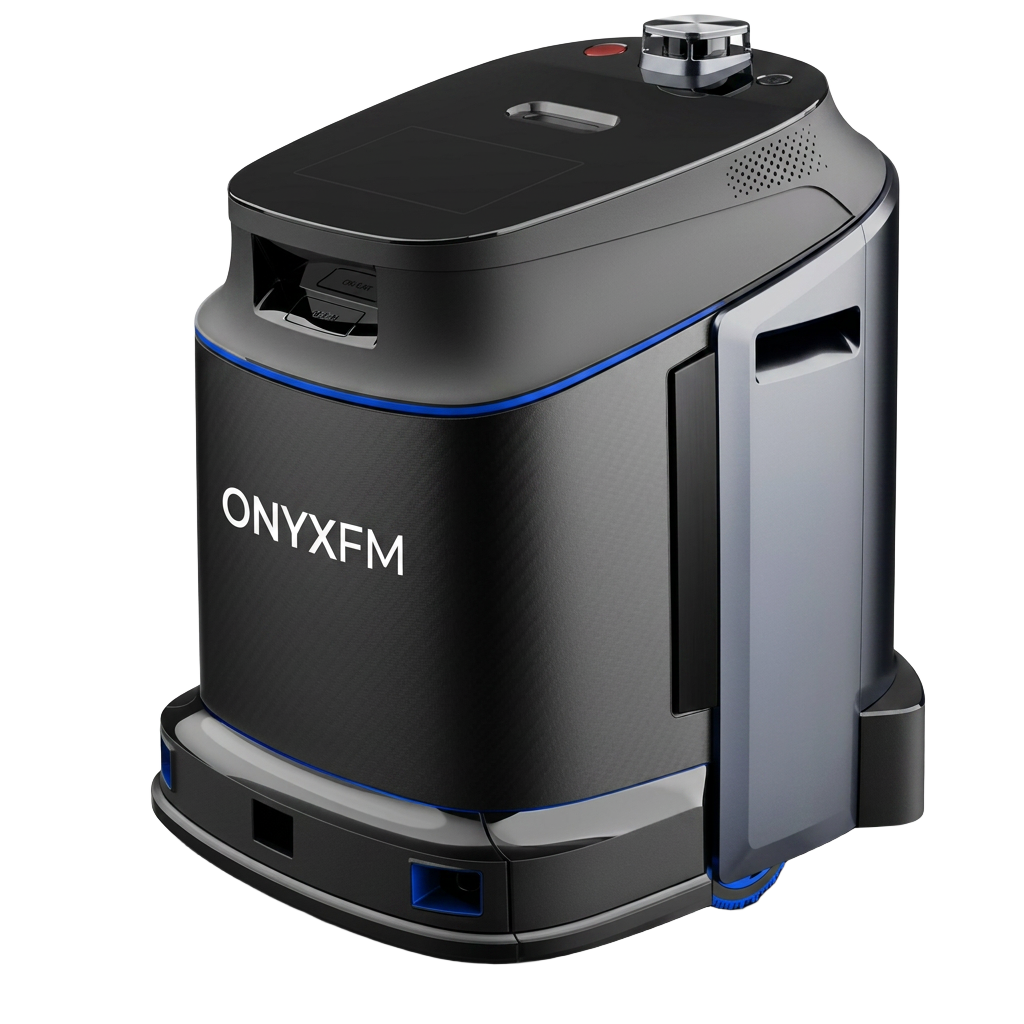
All-in-one scrubber
Vacuum, sweep, scrub, and dust mop in a single pass. The flagship for open retail and grocery floors.
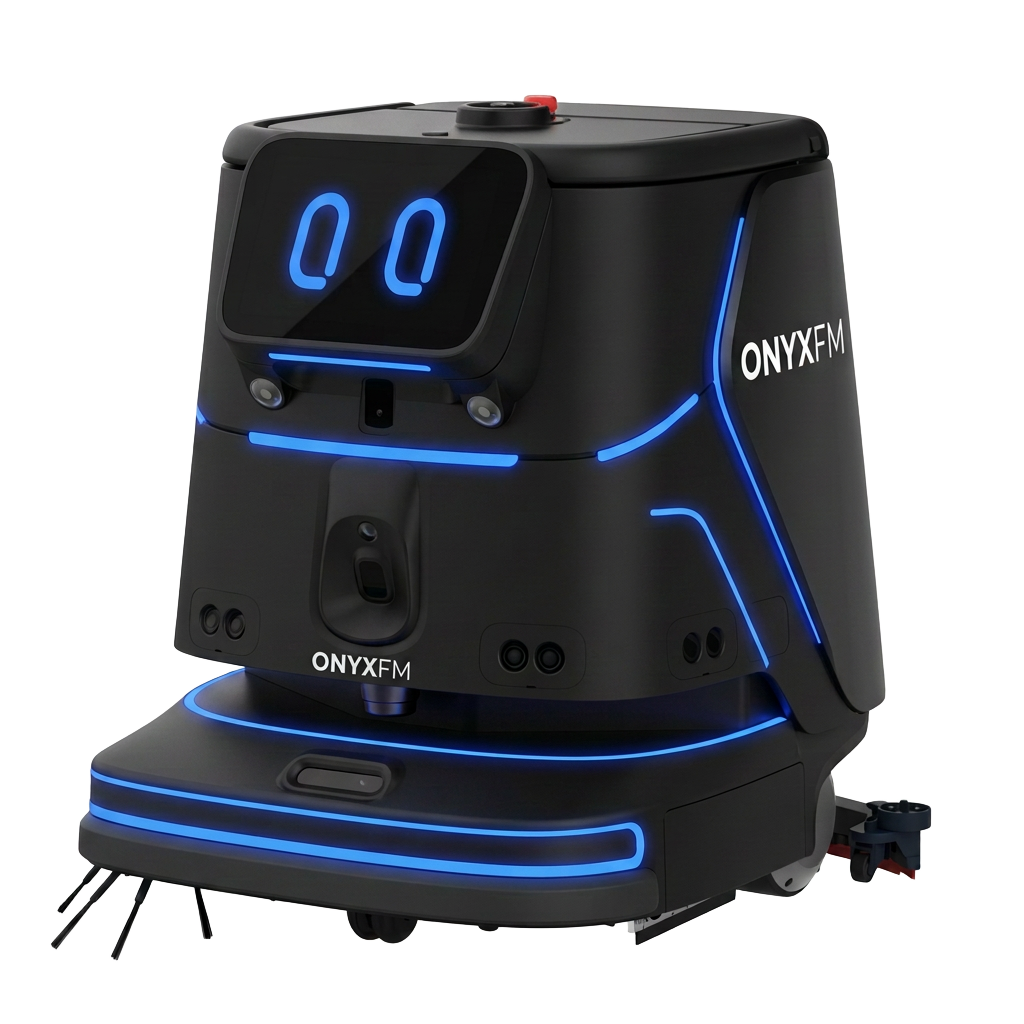
Mid-size scrubber
Lobbies, corridors, and mid-format retail. LiDAR navigation with an LED status face your staff can read at a glance.
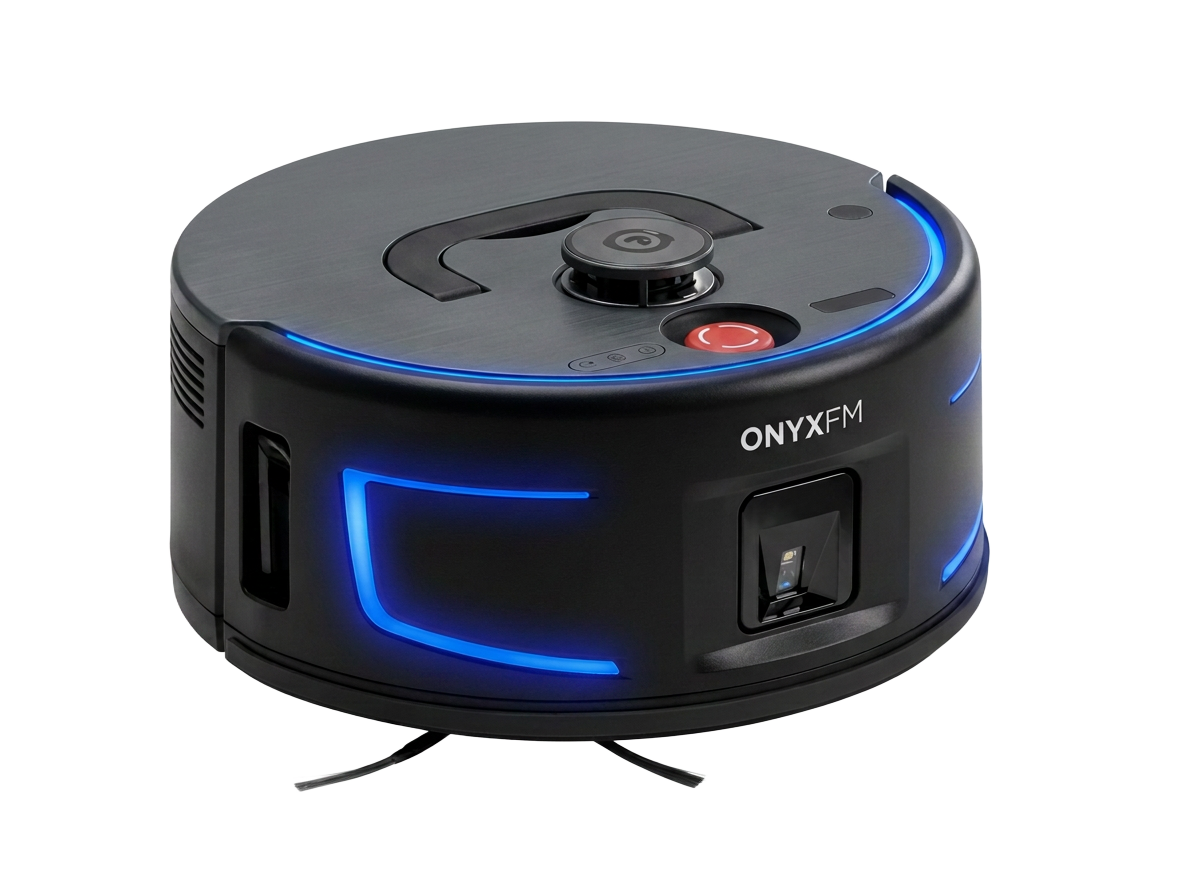
Compact sweeper
Tight aisles, entrances, and back of house. Runs quiet, unattended routes where a full-size unit cannot fit.
Four cleaning modes in one
Vacuuming, sweeping, scrubbing, and dust mopping in a single machine. Handles hard floors and carpet without a mode swap crew.
Compact footprint
585 x 445 x 619 mm and 143 lb. Sized for small to midsize spaces: aisles, lobbies, back of house, and tight retail floors.
AI navigation and safety
LiDAR and multi-sensor obstacle avoidance with learn-while-cleaning route mapping, LED status band, and an emergency stop within reach.
Self-docking and unattended runs
Returns to its dock to recharge and refill so overnight shifts run without a babysitter.
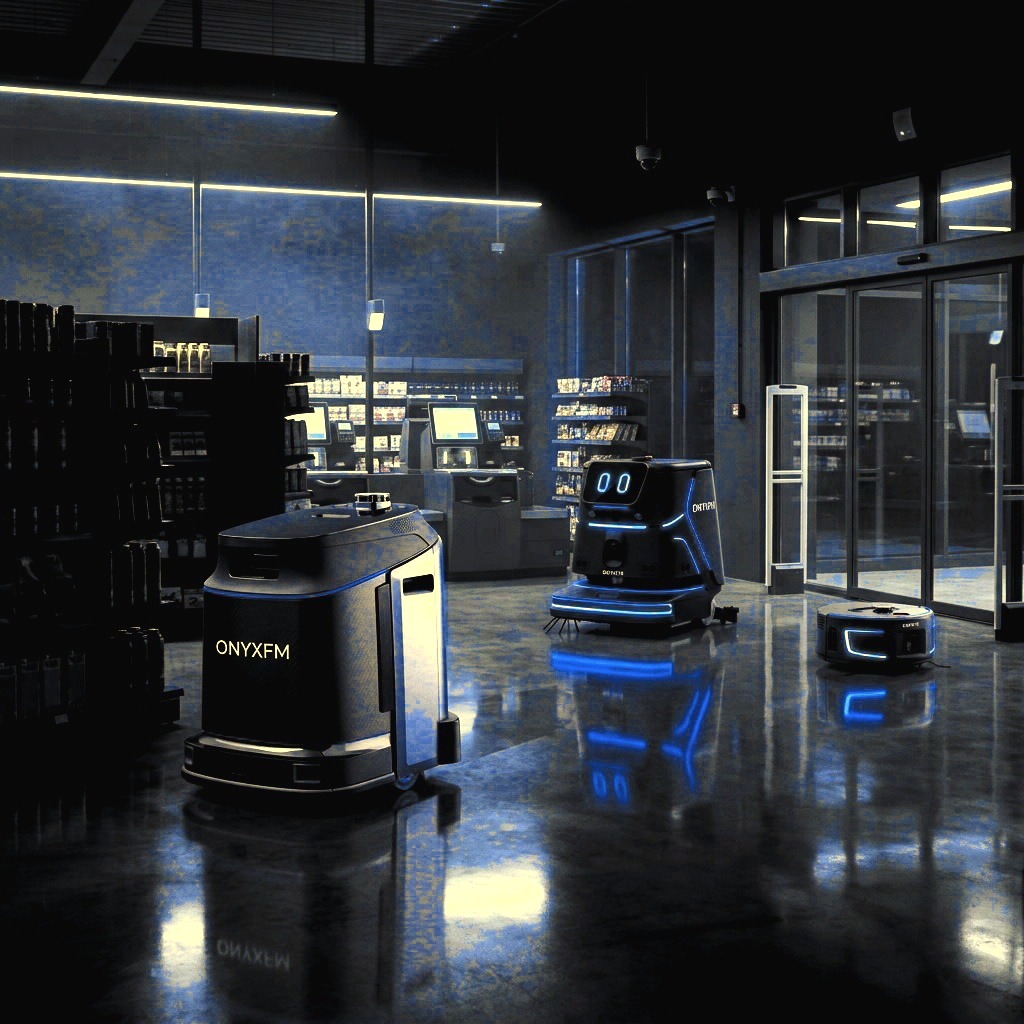
Multi-unit night coverage in live retail environments. Hardware is vetted OEM equipment from our robotics partner. What we build is everything that keeps those machines working: the deployment method, the training SOPs, the technician network, and the fleet oversight.
Eight steps, every site, every time.
- 01
Deliver, power up, test
Units arrive from a regional staging warehouse. Nothing is left in a box for your team to assemble.
- 02
Map the working spaces
Every cleanable zone is mapped on site and stored, so a replacement unit inherits the same route.
- 03
Connect and validate
Cloud connection over site WiFi, then a validated cleaning run before sign-off.
- 04
Train your staff
Initiating cleans, consumable replacement, and daily checks, against an SOP developed with your operations team.
- 05
Post support on the machine
Helpline number and QR support instructions live on the unit itself, where the person with the problem is standing.
- 06
Check in at day 1 and day 30
In-person visits the day after install and again at thirty days, when the real usage questions surface.
- 07
Quarterly PM visit
A technician performs preventive maintenance and refreshes staff training, accounting for turnover.
- 08
Break/fix and hot-swap
On-call response. Major repairs move off-site with a hot-swap unit left in place so the floor plan never goes uncovered.
The 2 a.m. path is already written.
Your associate doesn't diagnose a robot. They scan the code on the machine or call the help desk, and the escalation runs without them.
- 01Help desk triage. First contact, logged as a ticket.
- 02Level 1 support attempts remote resolution.
- 03Technician dispatched to site.
- 04On-site repair performed out of customer sight.
- 05If unrepairable, a hot-swap unit is installed and the machine goes to the depot.
Remote monitoring
Fleet telemetry is reviewed so a technician can be dispatched before a machine goes down, not after a site calls in.
Reporting you can forward
Management dashboards and ticket history per site, per unit. The evidence your operations leadership asks for at renewal.
Commercials
Hardware purchase or lease, wrapped in a managed service agreement with a defined response commitment. Service is quoted per deployment.
Start with one site. Judge us on the second month, not the first day.
Every engagement starts as a pilot with a defined scope, a service-level commitment, and reporting you can take to your operations leadership. Tell us the footprint, floor types, and hours of operation, and we'll come back with a site plan and a pilot scope.